Showing posts with label Body Fat. Show all posts

How to Aggressively Attack Belly Fat

Most people who embark on a mission to lose body fat find that the most stubborn area is the belly. Tackling this stubborn pouch may be easier than you think as long as you do things the right way. Through proper nutrition, minimal supplements and a coordinated exercise plan, you can shed the body fat and achieve the physique you want.

Step 1
Sleep seven to eight hours every night. Sleeping regularly is a foundational part of losing belly fat that is often neglected. Sleeping less than seven hours will significantly change the chemicals in your blood that regulate your appetite, according to a 2004 study led by Dr. Shahrad Taheri. This will cause you to feel hungry even when your body has had enough and may slow your fat loss progress.

Step 2
Perform high intensity interval training, or HIIT, one day a week. HIIT was designed by Izumi Tabata, a Japanese scientist. The protocol has been shown to increase the amount of calories you burn for up to 48 hours after the exercise session. Incorporating one of these sessions into your weekly routine can help you increase the amount of power you produce and burn through fat quickly.

Step 3
Run five days a week. Running five days a week for an hour each time is enough to help you lose weight, says the American College of Sports Medicine. Start your routine with a brisk five-minute walk, then jog for an hour. Conclude your exercise session with a five-minute cooldown and stretch.

Step 4
Take fish oil. Fish oil has been shown to significantly reduce body fat and stress hormones, according to a 2010 study from Gettysburg College. The reduction was based on the main ingredients of fish oil, which are EPA and DHA. Participants supplemented 1,600 mg of EPA and 800 mg of DHA daily.

Step 5
Take chromium. Supplemental chromium helps the body absorb sugar better, says a 2005 study conducted by Comprehensive NeuroScience. When the sugar you eat is absorbed quickly into your muscles, it can be used rather than stored on your belly as fat.

Things You'll Need
Running shoes
Fish oil
Chromium

The Best Foods to Eat for Fat Loss in the Butt & Hips

If you have a "pear-shaped" body and want to lose weight from your butt and hips, it can be done, but there are several misconceptions regarding weight loss that you should understand. First, there are no foods that actively burn fat off your body. Second, "spot reduction," or in this case, targeting your butt and hips for fat loss, is not possible. You will have to diet and remove body fat proportionally from your entire body to lose inches off your butt and hips.

Fruit

Fruit is a food that can support your fat-loss goals. This is especially true if you are prone to snacking on foods that are high in sugar, such as candy, ice cream or soda. Fruit is low in calories, high in nutrients and fiber. Even though fruit has sugar, it is not refined or processed sugar that can raise your blood glucose levels, trigger insulin release and promote fat storage. The American Council on Exercise recommends blueberries, grapefruits, oranges and watermelon. Any type of fruit makes a good replacement for high-calorie foods or desserts.

Vegetables

Eating vegetables in place of higher calorie foods can help you lose fat off your entire body and your posterior. The Centers for Disease Control recommends steaming your vegetables and using low-fat salad dressings or herbs if you want to add flavor. Like fruit, nearly every kind of vegetable is a suitable low-calorie, highly nutritious replacement for high-fat or high-sugar foods. The exception to the rule is potatoes. The CDC suggests eating green beans, broccoli and bell peppers. The American Council on Exercise recommends artichokes, spinach and bok choy, but any green vegetable is a good choice.

Lean Protein Foods

Eating lean protein foods can significantly help you lose weight. Replacing high-fat protein foods such as red meat and beef with lean protein foods can significantly reduce your caloric intake. Fish such as salmon, mackerel, flounder and herring are all low-calorie sources of lean protein. The American Council on exercise recommends canned tuna because it is a high-protein food source that has no carbohydrates and virtually no dietary fat. Skinless chicken and turkey are also lean sources of protein. Egg whites, soy products and beans can support your fat-loss goals as well. Saturated fat is the type that you want to avoid and keep below 10 percent of your daily calories with the rest of your fats coming from monounsaturated and polyunsaturated fats. The 2010 Dietary Guidelines for Americans recommends that total fat consumption should not exceed 35 percent of your daily calories. On a 2,000-calorie diet, 35 percent equals 65 grams of fat or 700 calories.

Eating Fat Doesn’t Make You Fat

According to the Harvard School of Public Health, in addition to exceeding your daily calorie needs, the type of fat in your diet not the amount of fat is what causes weight gain and increases your risk for disease. A Harvard study published in the June 23, 2011 issue of the “New England Journal of Medicine,” followed 120,000 men and women’s lifestyles and eating behaviors for 20 years. Researchers discovered people who ate more nuts -- a high-fat food -- whole grains, fruits and vegetables gained less weight than people who ate more red meat, processed meats, french fries, sugary beverages and refined grains. Foods that increase satiety, such as healthy fats, may help reduce overall calorie intake.

How to Lose Weight With These Foods

Regardless of how many fruits, vegetables or lean sources of protein you add to you diet, you must understand how weight loss occurs if you are going to lose fat. To lose weight, you need to burn more calories than you consume. The CDC says the key to achieving this through diet is to replace high-calorie foods with low-calorie foods. Replace ice cream with fruit. Replace rice or pasta with vegetables. Replace prime rib with salmon. While exercise will certainly help, creating a caloric deficiency by burning more calories than you eat, is the key to losing weight. Weight loss is not particularly complex, but it does require a commitment and often many dietary and lifestyle changes. Consult your doctor or a registered dietitian if you need further assistance with your weight-loss goals.
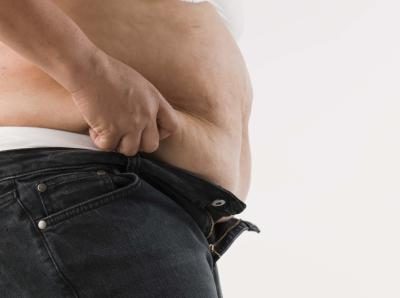
How to Reduce Fat on My Upper Body

If you want to reduce fat from your upper body, understand that spot reducing one particular area of your body isn't possible. To reduce body fat, regardless of where your problem areas are, you must take on a full-body approach. This will result in fat loss from your lower body and your upper body including your belly, arms, back, shoulders and chest. For the best results, lose weight in a gradual, safe manner and perform exercises with perfect form.

Step 1
Set a goal to lose 1 to 2 pounds per week, which, according to the National Heart, Lung, and Blood Institute, is a safe weight-loss rate that allows you to make gradual lifestyle changes without feeling deprived. To lose weight at this rate, you must create a daily deficit of 500 to 1,000 calories.

Step 2
Change your diet so you consume fewer calories on a daily basis. Some ways to reduce your caloric intake include eating smaller portions, or eating low-calorie foods instead of high-calorie foods. Avoid sugary beverages, alcohol and foods that are high in cholesterol and saturated and trans fats. Get your main nutrients from lean protein, fruits, fat-free or low-fat dairy, whole grains and vegetables.

Step 3
Work up a sweat for 30 to 60 minutes on five days of the week to burn calories that contribute to fat loss. Perform cardio, such as bicycling, brisk walking or pedaling on the elliptical machine, at a rate that allows you to talk to a workout buddy, but doesn't allow you to sing. Although it often seems like it's more your lower body that's active during cardio, your upper-body muscles contribute by assisting with arm motions and helping you maintaining proper posture.

Step 4
Schedule resistance exercises at least two days of the week, as recommended by the Centers for Disease Control and Prevention. Work all your major muscle groups and perform two or three sets and eight to 12 repetitions of each exercise. Strength training maintains and increases muscle tissue, which boosts your resting metabolism so you burn more calories, even after finishing your workout.

Step 5
Include exercises into your strength-training routine that target your upper body. This can include a variety of exercises, such as pushups and bench presses for your shoulders and chest; biceps curls and triceps extensions for your arms; bicycle and reverse crunches for your abs; and dumbbell rows and lat pulldowns for your back.

Warnings

See a doctor before beginning a fat-loss regimen, especially if you have an injury or health condition.